A Bowl of Chili, Three Brain Injuries, and the POTS Data Blueprint
Dr. Joseph Schneider usually brings clinicians and innovators onto My POTS Podcast. This episode is different. It is Dr. Joe alone, speaking plainly about what recovery demands when the autonomic nervous system stops cooperating. He calls the episode A Bowl of Chili, and the point is bigger than food. Recovery is built on repeatable daily choices that support the brain, steady physiology, and keep a person moving forward even when symptoms push back.
About This Blog
Dr. Joseph Schneider usually brings clinicians and innovators onto My POTS Podcast. This episode is different. It is Dr. Joe alone, speaking plainly about what recovery demands when the autonomic nervous system stops cooperating. He calls the episode A Bowl of Chili, and the point is bigger than food. Recovery is built on repeatable daily choices that support the brain, steady physiology, and keep a person moving forward even when symptoms push back.
Across the episode, he connects three documented brain injuries to a single theme. Better outcomes start with better data. When people feel stuck in dizziness, blood pressure chaos, pain, and brain fog, opinions do not create change. Baseline diagnostics, targeted treatment, and re-testing create change.
Why a Bowl of Chili Becomes a Recovery Strategy
Dr. Schneider starts with nutrition because, in his view, neurological rehab is also metabolic rehab. He describes making chili with grass-fed, grass-finished ground beef so he can stay ketogenic, keep carbohydrates low, and support his energy needs with higher fat intake. He also calls out seed oils as harmful.
The deeper takeaway is simple and practical. When the nervous system feels unstable, the daily inputs you control can either add strain or build resilience. Food becomes one of the few levers that can stay consistent even on a hard day.
2004, The Blood Pressure Pattern That Broke the Rules
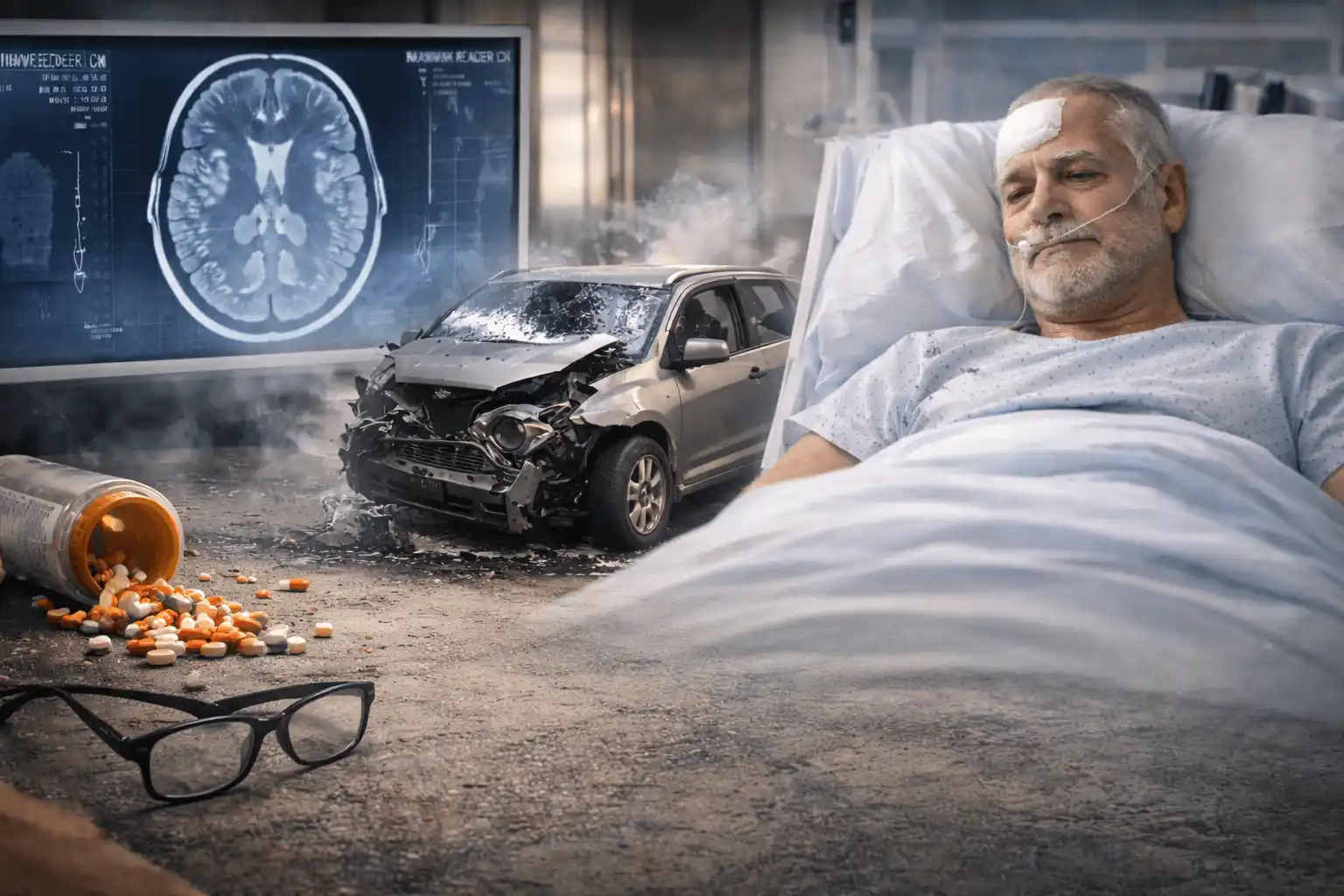
He rewinds to 2004, when he suffered a traumatic brain injury. Soon after, he noticed a paradoxical blood pressure pattern. His blood pressure rose when he sat down and dropped when he was up and active. He describes a long resolution window that took a couple of years.
That timeline matters. He frames recovery as something that asks for persistence and patience, especially when function shifts slowly. He also speaks about the challenge of rebuilding his own health while still trying to keep a practice running and keep personal life intact.
2013, The Elevator Moment That Changed Everything
The second injury raised the stakes. A major accident in 2013 worsened his dysautonomia symptoms. He describes escalating dizziness and the strain of trying to keep working while his system destabilized.
One moment captures the reality of autonomic dysfunction in a way that is hard to forget. Riding an elevator down, he became so dizzy that he fell to the floor, and he needed a couple of minutes before he could get himself up and get out. It is a sharp example of how quickly dysautonomia can turn an ordinary moment into a physical emergency.
Dallas, The Vestibular Lever That Moved Blood Pressure
In 2014, he traveled to the Carrick Brain Center in Dallas. He describes a striking change in blood pressure linked to vestibular input, including air insufflation into the ear. He reports that his blood pressure dropped by about 80 points when it had been very high and hard to bring down.
His takeaway is not about a miracle fix. It is about neurological leverage. When the right pathway is targeted, physiology can shift in a meaningful way. That shift can create space for rebuilding function.
2017, The Pain That Does Not Show Up on Your Face
Then came 2017. Dr. Schneider says an aneurysm that he believes may have started in 2004 ruptured and caused a hemorrhagic stroke. He describes a large scab in the brain and impact involving deep structures such as the basal ganglia and part of the thalamus. He also mentions a near-death experience.
Then he moves into the part many listeners recognize immediately. People tell him he looks fine. He explains that appearance can hide constant pain that becomes overwhelming at times. He describes facial pain, head and ear sensitivity, neck and shoulder pain that radiates into the arm and hand, and a sandpaper-like sensation in the hand. He describes pain through the hip and leg, tingling in both feet, and the right side worse than the left. He also notes that exercise can make symptoms flare afterward.
The message is direct. How someone looks on the outside does not reflect what is happening inside the nervous system. That disconnect can lead to doubt, misunderstanding, and isolation.
When People Doubt You, You Still Have to Rebuild
Dr. Schneider speaks openly about how illness can feel humiliating. He describes feeling less-than and feeling doubted by people who cannot see the symptoms. He also describes faith as a stabilizing anchor for him and his wife, including daily prayer and a consistent spiritual practice.
Even for listeners who do not share his beliefs, the underlying point lands. Recovery needs an inner structure strong enough to hold steady when symptoms shift, progress is uneven, and support feels inconsistent.
Why He Refuses Pick and Choose Treatment
As the episode moves into clinic philosophy, Dr. Schneider explains that the Hope Brain Center grew out of trying to get himself better. He describes a comprehensive approach aimed at rehabilitating the entire person, not a single symptom.
He mentions multi-axis rotational therapy with GyroStim, spinning protocols, neurofeedback using BrainCore or BrainMaster systems, lasers, exercise with oxygen, and body therapies for pain and neuropathy. He also previews new equipment expected in March, a spinning chair integrated with goggles that allow clinicians to observe eye movements during rotation and oscillation. He notes that this chair can support early detection for conditions such as Parkinson’s.
His practical boundary is clear. He does not offer pick-and-choose therapy. People ask for only one modality, and he pushes back. He wants to evaluate the whole case and select what is required to move someone toward better function.
Baselines Beat Opinions
That is where his philosophy hardens into a repeatable standard. Dr. Schneider argues that bedside exams do not create a true baseline. He describes eye testing that can capture about 250 images per second, balance testing, autonomic assessment that he compares to tilt-like testing without using a tilt table, neuropathy evaluation, and metabolic testing that tracks breathing, heart rate, pulse oximetry, blood pressure shifts, and responses to activity. He also mentions two different types of QEEG-style testing as part of baseline neurological assessment.
The point is not to win an argument about protocols. The point is to stop guessing. Objective baselines allow a plan to be built, adjusted, and then verified through re-testing.
When POTS Steals School, Work, and Normal Life
Dr. Schneider’s frustration is directed at how many people, especially post-COVID, are suffering and losing function. He talks about people who cannot work, cannot go to school, and cannot enjoy life in a normal way. He urges long-term POTS sufferers to start with a consultation and find out if his center is the right fit. He also repeats his belief that recovery requires the right diagnostics, the right treatment plan, and follow-up testing to confirm progress.
The Blueprint Mindset, Data Over Opinion
This episode is not a highlight reel. It is a blueprint mindset. Dr. Schneider’s message is that dysautonomia and brain injury recovery require daily choices, a comprehensive strategy, and a measurement-driven approach. He places less value on opinions and more value on diagnostics that reveal what the nervous system is doing, then guide treatment and re-testing over time.
If you want the full story behind the chili metaphor, the injuries that shaped his thinking, and the data-first framework he uses for POTS and dysautonomia, listen to the full episode of My POTS Podcast and explore the Hope Brain Center resources.
Connect with Dr. Joseph Schneider:
Website: Hope Brain and Body Recovery Center; Hope Regeneration Center
Podcast: MyPOTSPodcast.com
LinkedIn: Joseph Schneider
YouTube: HopeBrainBodyRecoveryCenter
Instagram: @HopeBrainCenter_
Facebook: Hope Brain and Body Recovery Center
Related Blog
Duis mi velit, auctor vitae leo a, luctus congue dolor. Nullam at velit quis tortor malesuada ultrices vitae vitae lacus. Curabitur tortor purus, tempor in dignissim eget, convallis in lorem.


Comments